Now Booking for 2026/27
Behaviour Management
What Doping Athletes Can Teach Your Students About Success

On May 24, 2026, the first Enhanced Games took place in Las Vegas. The media controversy surrounding the games was enormous – as was the hype. According to organisers, the games are ushering in “a new era in athletic competition that embraces scientific advancements to push the boundaries of human performance.” That’s PR-speak for “our…
Read MoreThe Progress Principle: Why Structure Is the Foundation of Motivation

You’re teaching a class and notice a student with their head on the desk. You’re leading a team and have an employee who keeps missing deadlines. You’re raising a family and have a child who melts down over homework. In many cases, we tend to read these issues as a motivation problem. So we reach…
Read MoreSupport or Control

This term’s newsletters have followed a clear them: classroom learning motivation and regulation are superior when students feel autonomy-support in the learning environment. Today, two lists that show in the most practical way what supportive and controlling behaviours look like. Here are ten controlling behaviours, outlined in a 2006 paper by Johnmarshall Reeve and Hyungshim…
Read MoreSeven Autonomy-Supportive Instructional Behaviours to Transform Your Classroom
In a 2021 research paper, two academic researchers conducted a meta-analysis of over 50 high-quality research studies that investigated what autonomy-supportive instruction looked like in classrooms around the world. They found that “the skillful enactment of seven autonomy-satisfying instructional behaviors serve[d] two purposes.” It helped to support intrinsic motivation and support internalisation of content. From…
Read MoreCreating an autonomy-supportive classroom

In a recent article I wrote about motivation – or what psychology researchers more accurately call “regulation”. A useful question to ask students is not “How motivated are you?”. Rather, try “How are you motivated?” If they’re externally motivated, or introjected, you’ll get lousy results. If they’re identified, you’ll see progress. If they’re integrated or…
Read MoreThe Secret Source of Classroom Motivation

It’s well accepted that there are two kinds of motivation. Some students are extrinsically motivated. They’ll move if you offer a big enough bribe or threat. Carrots and sticks. Punishments and rewards. Other students are intrinsically motivated. They don’t need your input to go after something. It’s inside them. They’re keen. Focused. Driven. Drawn to…
Read MoreBoys, Girls, Brains, & Behaviour in the Classroom

Adolescence, often celebrated and equally challenging, is a profound phase in the lives of students. The teen years are marked by incredible changes, both physical and psychological, that have a tremendous impact on the classroom setting. Teens are discovering new cognitive abilities, new social opportunities, heightened sexual awareness, a sense of who they are becoming,…
Read MoreTeaching our Boys to Respect Women
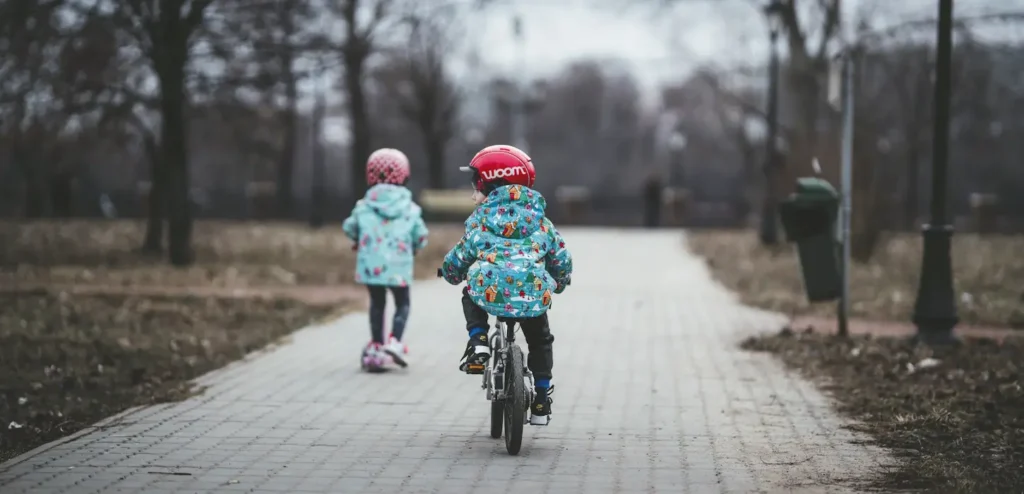
Several years ago, when my daughter was just 8, she came to me about a boy in her grade. “Dad, he keeps on trying to kiss me. Today at recess he kissed me twice on the face. I keep telling him to ‘Stop it!’ and he doesn’t.” Historically this kind of incident may have been…
Read MoreThe Three Es of Parenting (and Teaching!) Children
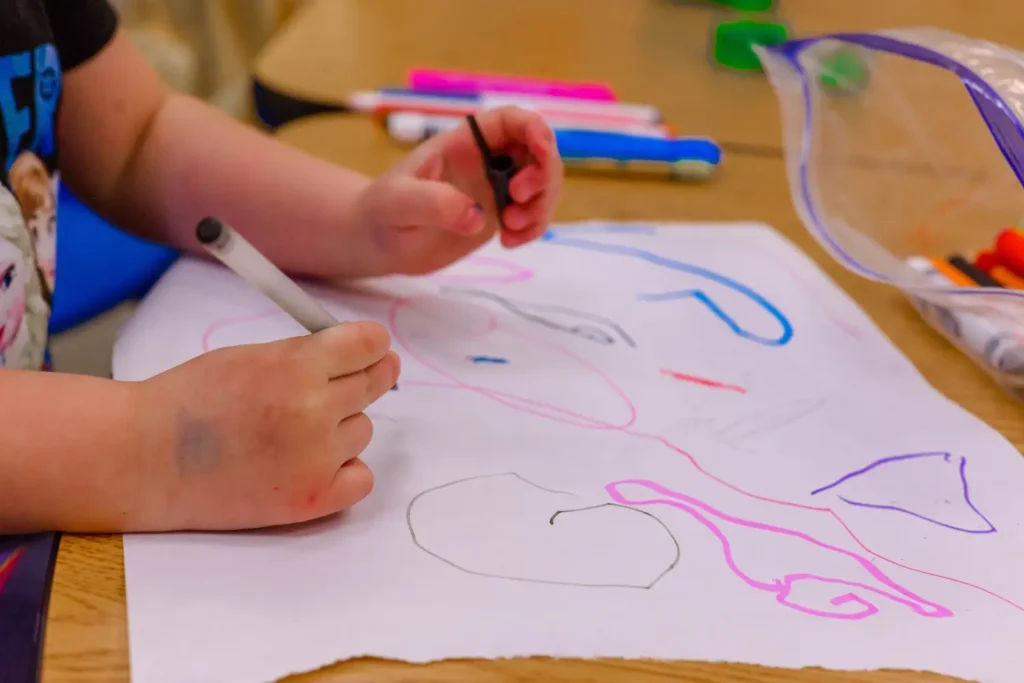
Believe it or not, there is a significant difference between discipline and punishment. Discipline is about teaching and instructing someone, while punishment means “to inflict a penalty”. It sounds a little harsh, right? And consequences means “the result of something occurring earlier”. Unfortunately, consequences and punishment sometimes mean the same thing when it comes to…
Read MoreWhat Makes Someone an Expert in Parenting?

The term “parenting expert” is very easy to throw around, especially in our social media fueled world. But of all these experts, many them lack real ‘expertise’ in the area. While writing a book (or e-book) or raising your own children is something to be celebrated, it does not make a person an ‘expert’! In…
Read More